Body Contouring Farmington Hills: Benefits, Options, and Results
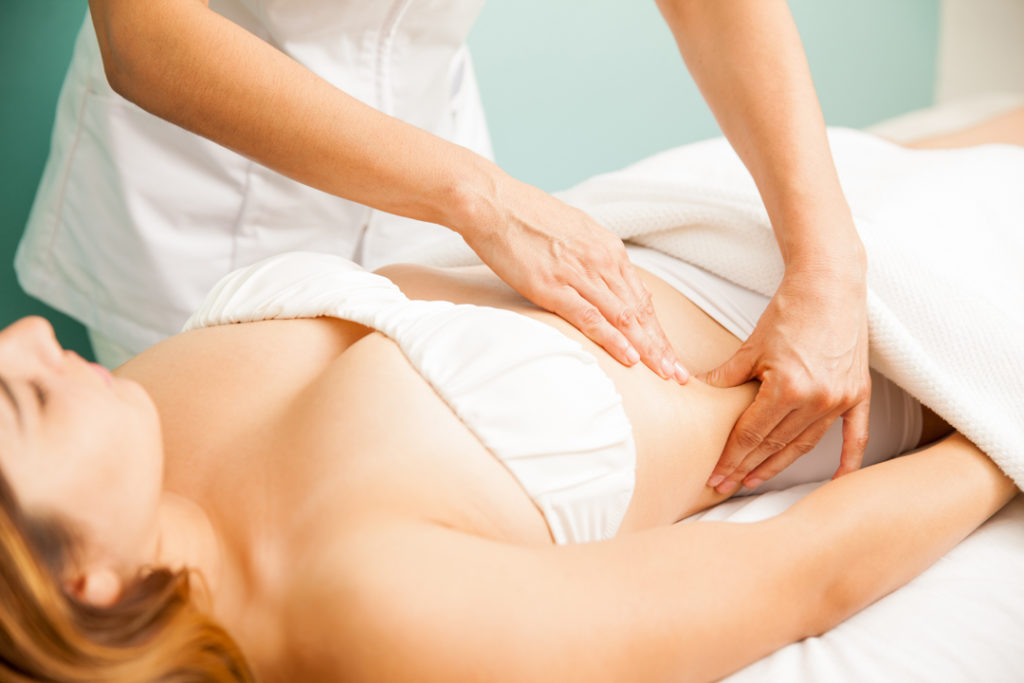

Body contouring sits in a space that often gets oversimplified. People hear the term and assume it means dramatic weight loss, a quick cosmetic fix, or a one-size-fits-all treatment. In practice, it is much more specific than that. Body contouring is about shape. It addresses stubborn pockets of fat, mild to moderate skin laxity, and the mismatch many people feel between their overall fitness efforts and what they still see in the mirror.
In a community like Farmington Hills, where patients range from busy professionals and parents to active retirees, the goals tend to be practical. Most are not asking to look like someone else. They want their clothes to fit better, their waistline to feel smoother, or the area under the chin to stop bothering them on video calls. That is why conversations around Body Contouring Farmington Hills usually start with lifestyle, anatomy, and expectations, not flashy promises.
The best results come from matching the treatment to the actual concern. A person with excellent skin tone and a small pocket of abdominal fat may be a good fit for a non-surgical option. Someone with more significant fullness or looser skin after weight loss may need a more intensive approach. Those distinctions matter, because body contouring works best when the plan respects what the body can realistically do.
What body contouring really means
At its core, body contouring refers to treatments designed to improve body shape by reducing localized fat, tightening skin, or both. It is not a substitute for weight loss. That point is worth stressing because misunderstanding it leads to disappointment more than almost anything else.
A patient can be within a healthy weight range and still struggle with fullness at the flanks, lower abdomen, upper arms, thighs, or under the chin. Genetics plays a large role here. So do age, pregnancies, past weight fluctuations, and skin quality. Two people can have the same body weight and a very different contour because their fat distribution and skin elasticity differ.
This is also why good consultations focus on more than the number on a scale. When I talk through body contouring options with patients, the conversation usually centers on three things: where the concern is located, whether the issue is mostly fat or mostly loose skin, and how much downtime the patient can realistically manage. Those variables shape nearly every recommendation.
Why people in Farmington Hills seek treatment
The reasons are often more grounded than outsiders assume. Many patients have already done the hard part. They exercise regularly, eat reasonably well, and have maintained a stable weight. What frustrates them is the last 10 to 15 percent, the area that does not respond the way the rest of the body does.
For women, common concerns include the lower abdomen after pregnancy, fullness along the bra line, the outer thighs, or mild laxity at the upper arms. For men, the conversation often focuses on the abdomen, flanks, chest contour, and the area under the chin. Patients over 50 often mention that their shape changed even though their routine did not. That is a classic pattern, because muscle mass, fat distribution, and skin elasticity all shift with age.
The social side matters too. People are on camera more. They notice profile views in photos. Work attire can become less forgiving than casual clothes. A fitted dress shirt or tailored blazer tends to reveal contour issues that gym clothes do not. None of that is vanity in the shallow sense. It is part of how people move through work, relationships, and everyday confidence.
Surgical and non-surgical options are not interchangeable
One of the biggest mistakes in this field is talking about all body contouring treatments as if they deliver the same type of result. They do not. Broadly, options fall into two categories: surgical contouring and non-surgical contouring.
Surgical options, such as liposuction or procedures combined with skin removal, typically produce the most visible and predictable changes in a single treatment. They are more invasive, involve recovery, and require careful patient selection. In return, they can address a greater volume of fat and create sharper definition.
Non-surgical treatments use technologies such as cooling, heat, radiofrequency, ultrasound, or injectable fat reduction to target small to moderate areas. These treatments usually involve less downtime, but they also produce more gradual and often subtler change. They are best for refinement, not reinvention.
Patients sometimes come in hoping a non-surgical device can deliver a result that actually calls for surgery. That is not a failure of the technology. It is a mismatch between the tool and the anatomy. A skilled provider should say that plainly.
Common treatment areas and what tends to work
The abdomen remains the most requested area by a wide margin. It is also one of the most nuanced. A firm lower-belly bulge in an otherwise fit person may respond well to fat reduction. A soft, crepey abdomen with stretched skin after pregnancies or major weight loss is a different problem. In that case, removing some fat without addressing the skin can leave the area looking looser.
Flanks, or love handles, often respond well because the fat there is localized and easy to identify. Upper arms can be more difficult, especially if skin laxity is the main issue. Thighs vary. Inner thighs may benefit from contouring, but the skin quality has to be evaluated carefully to avoid an uneven or lax look afterward.
Submental fullness, the area under the chin, deserves its own mention because it is one of the places where a relatively small change can make a face look significantly more defined. Patients notice it in profile and on screens. This area can respond nicely to selected non-surgical options if the skin still has decent elasticity.
Who tends to be a good candidate
Not everyone who dislikes a body area is automatically a good candidate for treatment. The strongest candidates tend to share a few characteristics:
- They are close to their stable, sustainable weight.
- They have a specific contour concern rather than a general goal of major weight loss.
- They understand the difference between fat reduction and skin tightening.
- They are healthy enough for the chosen treatment and can follow aftercare instructions.
- They want improvement, not physical perfection.
That last point is easy to underestimate. Patients who do well long term usually have realistic expectations. They understand that body contouring can improve a silhouette, reduce bulges, and sharpen transitions between body zones. It does not change bone structure, erase every asymmetry, or stop the aging process.
The consultation matters more than the device
There is a lot of marketing around body contouring, and much of it centers on a machine or brand name. In real practice, the most important https://johnnyzlgv469.urbanvellum.com/posts/body-contouring-farmington-hills-understanding-consultation-essentials part is not the machine. It is the assessment. Good body contouring starts with examining pinchable fat, skin recoil, muscle tone, prior scars, and weight history. Without that, the treatment plan is guesswork.
A careful consultation should include measurements or photos for comparison, a review of your medical history, and a frank discussion about likely results. If a provider avoids specifics and only speaks in glowing generalities, that is a concern. Results should be described in terms of probable improvement, not guarantees.
This is especially true for anyone researching Body Contouring Farmington Hills for the first time. Local convenience matters, but expertise matters more. A nearby office is helpful for follow-up visits, yet the quality of judgment during the consultation usually determines whether the outcome feels worthwhile.
What results usually look like in real life
Results tend to unfold in stages. Surgical contouring usually produces an early visible change, followed by swelling that gradually resolves over weeks and sometimes months. Non-surgical treatments are often slower. The body needs time to process treated fat cells or remodel collagen, so changes may become noticeable over several weeks and continue to improve over two to four months, depending on the modality.
How much change is realistic? For non-surgical treatments, many patients see modest but meaningful improvement rather than a dramatic transformation. Their pants fit better at the waist. A lower-abdomen pooch softens. The bra line sits flatter. Photos look more balanced. That may sound subtle on paper, but it can feel significant day to day.
Surgical results are usually more obvious, especially in clothing and side-profile views. The trade-off is recovery. Bruising, swelling, compression garments, temporary activity limits, and time away from strenuous exercise are all part of the process for many surgical patients.
A detail that often surprises people is how strongly skin quality influences the final look. Removing fat from an area with poor elasticity can sometimes reveal laxity that was previously hidden by fullness. This is one reason older patients, or those who have had major weight fluctuations, benefit from a very honest pre-treatment discussion.
The benefits that matter most to patients
While body contouring is cosmetic, the benefits are not trivial. The most common benefit is proportion. When one stubborn area no longer dominates the eye, the whole body often looks more balanced. That can change how patients dress, move, and feel in social settings.
Confidence is real, but it usually shows up quietly. A patient stops layering loose tops. A man feels better in a tucked-in shirt. Someone returns from a beach vacation with photos they actually like. Those moments sound small, yet they are often the measures patients remember most.
There can also be a practical benefit in sustaining healthy habits. People who have worked hard to improve their health sometimes feel discouraged when a stubborn area refuses to budge. A successful contouring treatment does not replace discipline, but it can make that effort feel reflected in the mirror. For some patients, that is genuinely motivating.
Trade-offs and limitations people should understand
Every option comes with trade-offs. Non-surgical treatments offer convenience and less downtime, but they generally require patience and can produce a narrower range of change. Some patients need a series of sessions rather than one treatment. Mild tenderness, numbness, swelling, or temporary firmness in the treated area can occur during recovery, depending on the method used.
Surgical contouring can provide more dramatic improvement, but it carries the responsibilities and risks that come with surgery. Recovery is more involved. There may be restrictions on lifting, workouts, and travel. Swelling can linger longer than patients expect, and final results may require time to fully declare themselves.
Cost also deserves a practical conversation. A less expensive non-surgical treatment that delivers too little change may feel more costly in the long run than a properly selected procedure that actually addresses the problem. At the same time, not everyone wants or needs surgery. Good advice should respect both budget and tolerance for downtime without pretending those factors do not shape decisions.
How to prepare for a consultation
Patients usually get the most value out of a consultation when they come in with clear priorities. Instead of saying, “I hate everything,” it helps to identify the one or two areas that bother you most and describe what you hope will change. Bring up your schedule, workout routine, and upcoming events. Timing matters more than many people realize.
A few smart questions can sharpen the conversation:
- Is my concern mainly excess fat, loose skin, or both?
- What kind of result is realistic for my body type?
- How many treatments might I need, and when would I see change?
- What recovery or downtime should I actually expect?
- If this option is not ideal for me, what would be a better fit?
Those questions usually reveal whether the provider is thoughtful and candid. Strong consultations rarely feel rushed. They leave room for nuance.
Recovery is often easier or harder than expected, depending on the treatment
Patients tend to underestimate non-surgical discomfort and overestimate surgical pain. Non-surgical body contouring is often described as easy, and in many cases it is, but “no downtime” does not always mean “no sensation.” Temporary soreness, swelling, tingling, or altered sensitivity can happen. Most people work through it without issue, but it is still part of the experience.
Surgical recovery is more variable. Some patients bounce back quickly and are surprised at how manageable it feels. Others are frustrated by swelling, sleep adjustments, and the slower-than-expected return to normal workouts. The emotional part of recovery matters too. Right after surgery, the body may look swollen or uneven before it settles. Patients who are not prepared for that temporary phase can become anxious even when healing is on track.
Compression garments, hydration, walking, and following activity guidelines all make a difference. So does staying at a stable weight after treatment. Body contouring can reduce fat cells in a treated area, but it does not make someone immune to future weight gain. If weight increases substantially, the body can still change.
Why provider judgment matters in borderline cases
Borderline cases are where experience shows. Consider the patient with mild lower-abdominal fat and moderate skin laxity. A sales-driven approach might push a non-surgical fat treatment because it sounds simple. A more thoughtful approach may explain that reducing volume could improve the bulge only slightly, while leaving the skin concern largely untouched. That kind of honesty protects patients from spending time and money on an underpowered plan.
The same applies to post-weight-loss patients. After a major transformation, many are eager to finish the job and move on. Yet loose skin, scar placement, contour irregularities, and nutritional status all need careful review. This group often benefits from a more customized approach, and sometimes from staging treatments rather than trying to do everything at once.
In my experience, the happiest patients are not always the ones who choose the most aggressive option. They are the ones who choose the most appropriate one. That sounds obvious, but it is easy to lose sight of when advertising emphasizes speed and simplicity.
Maintaining results over time
Long-term results depend on stability. Weight swings can blur even excellent contouring work. So can neglecting muscle tone, especially in areas like the abdomen and arms where firmness contributes to shape. That does not mean patients need a perfect diet or an extreme routine. It means the best outcomes are supported by consistent habits.
Hydration, resistance training, adequate protein, and realistic weight maintenance all help preserve results. For patients with non-surgical skin tightening, some benefit from periodic maintenance depending on the technology used and the natural pace of aging. Skin continues to change, and no treatment stops that completely.
This is another reason the phrase Body Contouring Farmington Hills should not be read as one treatment or one promise. It is a category of care. The right outcome comes from selecting the right method for the right body at the right time.
What people often wish they had known earlier
The first is that body contouring is usually a finishing step, not a starting point. Patients who treat it that way are far more satisfied. The second is that “less invasive” does not always mean “better,” it simply means less invasive. Better means more suitable for your anatomy, goals, budget, and schedule.
The third is that subtle changes can have outsized impact. A smoother flank, a cleaner jawline, or a flatter lower abdomen may not seem dramatic in a before-and-after photo taken under inconsistent lighting. Yet those same changes can alter how clothing fits every day. Patients live in motion, not in side-by-side images.
Anyone considering body contouring should take the time to understand the problem they want solved. Is it fullness, skin looseness, muscle separation, or some mix of all three? The answer determines whether treatment is likely to feel worthwhile. When the match is good, body contouring can be one of the more satisfying cosmetic investments a person makes. When the match is poor, even a technically successful treatment can feel disappointing.
That is the central truth behind effective body contouring: the best results are not built on hype. They are built on careful evaluation, realistic expectations, and a treatment plan that respects the body in front of you.
Aesthetic Plastic Surgery & Laser Center, Michelle Hardaway M.D.
Address: 27920 Orchard Lake Rd, Farmington Hills, MI 48334
Phone number: +12482211957
FAQ About Body Contouring Farmington Hills
What does body contouring actually do?
Body contouring (or body sculpting) eliminates stubborn localized fat, tightens loose, sagging skin, and reshapes your silhouette. It is not a weight-loss tool, but rather a cosmetic procedure used to refine and tone specific trouble spots after major weight loss, pregnancy, or aging.
How much does body contouring usually cost?
The total cost of body contouring usually ranges from $2,000 to $25,000+ depending entirely on whether you choose non-surgical sessions or major surgical procedures.
Because "body contouring" covers everything from simple fat-freezing to comprehensive post-weight-loss surgeries, pricing is heavily categorized by the method used.
What is the best type of body contouring?
Liposuction is a huge topic and worth discussing in more detail, but in terms of body contouring and sculpting, nothing does the job better than liposuction, particularly VASER liposuction.